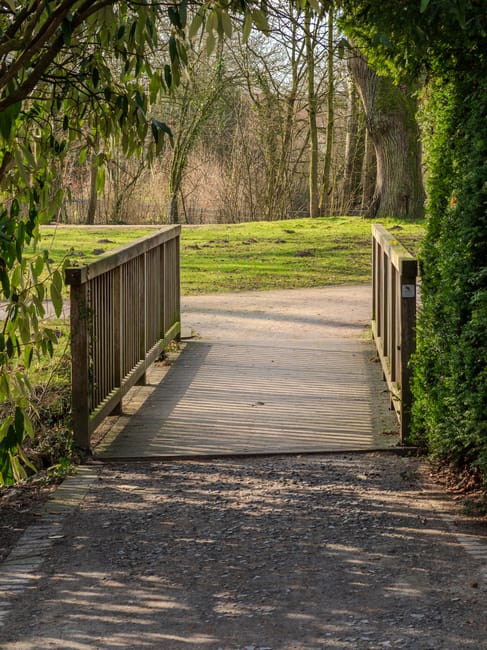
Gardeners for Langtons House gardens Hornchurch Havering

If you're looking for Gardeners for Langtons House gardens Hornchurch Havering, you're probably after more than a quick tidy-up. You want a garden that feels cared for, looks composed in every season, and suits the character of a property that asks for a bit of respect. That might mean formal borders, reliable lawn care, careful hedge shaping, or simply a steady hand with the sort of maintenance that keeps everything from slipping into chaos by late summer. Truth be told, that's where good gardening really shows itself.
Langtons House and its gardens sit in a setting where appearance, structure, and plant health all matter. This guide breaks down how professional gardeners approach that kind of space, what to expect from the work, and how to make sensible decisions whether you're planning a one-off improvement or ongoing care. You'll also find practical tips, common mistakes to avoid, and a few helpful internal resources if you want to explore related services in more detail.
Why Gardeners for Langtons House gardens Hornchurch Havering Matters
A heritage-style or public-facing garden is not the same as a standard suburban plot. The planting, edging, paths, boundaries, and open spaces all need to work together. In a place like Langtons House gardens, the aim is usually to preserve visual calm while keeping the site usable, tidy, and safe. That means gardeners are not just cutting grass and trimming hedges. They are reading the space.
What does that look like in practice? It may be as simple as noticing that one area receives heavier footfall and needs more frequent lawn recovery, or that a hedge is starting to cast too much shade over a border that needs light. It may also involve keeping hard landscaping clean enough that the whole garden still feels inviting after wet weather. These are small details, but they stack up quickly.
Hornchurch and the wider Havering area also bring familiar local pressures: seasonal leaf fall, patchy drainage in some areas, windy spells that knock plants about, and the ongoing battle between decorative planting and everyday wear. So when people search for gardeners for Langtons House gardens Hornchurch Havering, they are usually looking for reliability, judgement, and care. Not just tools and turf.
Expert summary: The best garden care for a place like Langtons House is planned, restrained, and consistent. The aim is to protect the garden's character while improving health, neatness, and everyday usability.
How Gardeners for Langtons House gardens Hornchurch Havering Works
Good garden work usually begins with observation. Before any cutting or planting happens, a gardener should walk the site, check the condition of the lawn, borders, shrubs, trees, and any hard surfaces, then decide what matters most. That order matters. Otherwise you can end up doing a lot of effort in the wrong place. And nobody wants that.
In a place with formal or semi-formal presentation needs, the workflow tends to follow a clear pattern:
- Assess the site - identify lawn condition, hedge lines, drainage quirks, overgrown areas, and seasonal issues.
- Prioritise safety and structure - deal with unstable branches, slippery surfaces, or growth that blocks paths and visibility.
- Set the maintenance standard - decide what should look crisp, what should remain more natural, and where the site needs restraint.
- Carry out the work - mowing, pruning, edging, border care, clearance, planting, or targeted improvement.
- Clean up properly - remove clippings, debris, and green waste so the garden actually looks finished.
- Review and plan follow-up - some jobs are seasonal, others need repeat visits to maintain the result.
For many properties, the smartest approach combines regular garden maintenance with occasional specialist jobs such as hedge work, tree care, or lawn improvement. That way the garden does not swing between neglected and overworked. It stays steady. That's the sweet spot.
If the garden has tired turf or thinning patches under trees, it may also make sense to look at lawn care support rather than relying on mowing alone. Cutting grass is one thing; helping it recover and stay dense is another. Small distinction, big difference.
Key Benefits and Practical Advantages
There's a reason professional gardening is valued in places that care about presentation. It saves time, yes, but the deeper benefit is consistency. A garden that is maintained with judgement tends to age better, feel more usable, and resist the messy cycle of overgrowth and emergency cleanup.
- Better first impressions: Neat lines, healthy planting, and tidy surfaces instantly lift the feel of the space.
- Healthier plants: The right pruning, feeding, mulching, and watering routines reduce stress on shrubs, borders, and lawns.
- Lower long-term cost: Keeping on top of small issues is usually cheaper than dealing with major restoration later.
- Safer circulation: Clear paths, managed hedging, and sensible tree work improve visibility and reduce trip hazards.
- More usable outdoor space: A garden that functions well invites people to spend time in it instead of avoiding it.
Another quiet benefit is confidence. When you know the borders are under control and the lawn won't suddenly become a jungle, you stop worrying about it. That sounds minor. It isn't, really. It changes how you use the garden.
In mixed-use spaces, one well-chosen service can unlock another. For example, a tidy hedge line may improve light on a border, while clearing a patio can make the whole garden feel larger and better organised. If you're also thinking about surfaces, patio cleaning can make a surprisingly big visual difference.
Who This Is For and When It Makes Sense
This kind of gardening support is useful for several different people, and not all of them are looking for the same thing.
- Property owners who want a well-kept garden without spending every weekend maintaining it.
- Managers or custodians responsible for grounds where presentation and accessibility matter.
- Residents with busy lives who need a dependable team to keep the garden presentable through the seasons.
- People restoring an overgrown space after a period of neglect, especially where hedges, lawns, or beds have run away a bit.
- Anyone planning improvements to hard landscaping, boundaries, or planting structure.
It makes sense when the garden feels like it has become either too demanding or too inconsistent. For example, if you can keep up with light tasks but the bigger jobs keep slipping, professional help brings the whole picture back into balance. Or perhaps the site looks fine from a distance, but the edges, hedges, and surfaces are telling a different story up close. Happens all the time.
It can also make sense after weather events. A stormy week can leave borders flattened, trees strained, and debris everywhere. If that sounds familiar, reading up on how to fortify your garden against severe weather may help you think more strategically about resilience rather than just cleanup.
Step-by-Step Guidance
If you're planning care for Langtons House gardens or a similar formal outdoor space, here's a practical way to approach it.
- Start with a proper survey. Walk the whole garden and note what is healthy, what is tired, and what is causing problems.
- Separate urgent work from cosmetic work. Safety, access, and plant health come before appearance. Always.
- Deal with structure first. Hedges, trees, boundary lines, and large shrubs should be managed before smaller detail work.
- Reset the lawn. Mowing, edging, scarifying, feeding, or targeted recovery work may be needed depending on the condition of the turf.
- Clear and sharpen borders. Define planting areas so the garden reads clearly and looks intentional.
- Refresh surfaces and access routes. Paths, patios, decking, and edges often reveal whether a garden feels loved or neglected.
- Plan repeat visits. Maintenance is not a one-off miracle. It is a rhythm.
If the garden has hedges that are swallowing space or blocking light, hedge trimming is usually one of the best places to start. Hedges set the tone for everything else. Too shaggy, and the whole site looks heavier than it is.
For overgrown trees or branches that are affecting lawns, borders, or safety, tree surgery may be required. That is especially important where canopies are restricting light or causing repeated debris issues. Not every tree needs drastic work; sometimes selective pruning is enough. The point is judgement, not aggression.
Expert Tips for Better Results
A few practical habits make a huge difference, especially in gardens that need a polished but natural look.
- Keep the cut line consistent. Whether it's hedges or lawn edges, uneven lines stand out immediately in formal settings.
- Don't overfeed poor turf. If the soil is compacted or shaded, nutrition alone won't fix the problem.
- Work with the light. Identify which borders receive morning sun and which sit in shade by late afternoon. That tells you a lot about plant choice.
- Use ground cover wisely. In awkward spaces, dense planting can suppress weeds and soften hard edges.
- Respect seasonal timing. Some pruning is best done at specific times of year, depending on the plant. Rushing it can cost you next season's growth.
- Leave room for recovery. After heavy trimming or clearance, plants often need a little time to settle before you judge the result.
One thing people often underestimate is the impact of mulch and organic matter. Good soil is the engine under the bonnet, so to speak. If you want healthier borders and fewer hungry, stressed plants, the feed-in system matters. There's a useful discussion on growing healthy soil through organic waste if you want to think more about that side of gardening.
And if the site has awkward corners, vertical structure, or places that never quite look finished, you might find ideas in vertical gardening for compact or difficult spaces. It's not always about adding more. Sometimes it's about using space smarter.
Common Mistakes to Avoid
Most garden problems are not mysterious. They usually come from doing too much, too little, or the wrong thing at the wrong time.
- Cutting back too hard. Heavy-handed pruning can leave shrubs looking bare and stressed for months.
- Ignoring drainage issues. If water sits in one area, no amount of neat edging will solve the underlying problem.
- Letting hedges drift. Once they lose shape, restoring a clean line takes much more time.
- Using one approach for every plant. A lawn, a lavender border, and a mature tree all need different care.
- Only reacting in peak summer. By then, the garden has already set its course for the year.
- Forgetting cleanup. A good job that leaves debris behind still feels unfinished. And a bit messy, if we're honest.
Another common issue is treating lawn problems as if mowing alone can fix them. It can't. If turf is patchy, shaded, compacted, or being crowded by trees, a broader approach is needed. The topic of evergreen trees affecting turf growth is a good example of why diagnosis matters before treatment.
We also see gardens where the hard landscaping has become slippery or dull, which can drag down the whole appearance of the place. A clean patio or path sounds simple, but it changes the feel underfoot and the look from a window. Not glamorous, maybe, but very real.
Tools, Resources and Recommendations
Professional gardeners rely on a mix of hand tools, powered equipment, and plain old experience. The exact toolkit depends on the site, but the basics are fairly consistent.
| Area of work | Typical tools or resources | Why it matters |
|---|---|---|
| Lawn care | Mower, edging tools, aeration equipment, feed, scarifier | Keeps turf neat, resilient, and usable |
| Hedge work | Hedge trimmers, secateurs, ladders, protective kit | Maintains shape, light, and safety |
| Tree work | Pruning tools, saws, safety equipment, assessment knowledge | Controls risk and supports healthy growth |
| Border care | Forks, trowels, mulch, compost, shears | Improves planting structure and soil quality |
| Surface cleaning | Brushes, pressure cleaning equipment, jointing sand where appropriate | Restores the look and grip of paths and patios |
If you're building a broader maintenance plan, it helps to have a few supporting resources in mind. For example, general gardening services can be the umbrella for mixed tasks, while lawn mowing handles the routine side of turf presentation. If you're weighing up whether a job needs a wider makeover, landscaping support may be the better route.
For people who enjoy understanding the craft a bit more, the article on essential garden tools is a handy companion read. It's practical, not fussy. Just the sort of thing that saves a weekend from turning into an improv workshop with blunt shears.
Law, Compliance, Standards, or Best Practice
Garden work in the UK is usually straightforward, but there are still sensible standards to follow. If trees are involved, especially larger specimens, any work should be approached carefully. In some cases, protected trees or conservation considerations may apply, and it is always wise to check before cutting back anything that could be subject to local controls. No guesswork there.
Good practice also means using appropriate equipment, wearing protective gear where needed, and disposing of green waste responsibly. A tidy garden should not come at the expense of safety or the environment. That includes being careful with ladders, keeping tools maintained, and avoiding over-pruning during the wrong season.
For public-facing or managed gardens, presentation and safety tend to go hand in hand. Edges should be clear, paths should be free of slippery build-up, and overhanging growth should not reduce visibility. If you're dealing with frequent wind exposure or open space, the article on managing garden winds offers a useful way to think about shelter and planting structure.
Best practice is not about making everything formal. It is about being consistent, careful, and thoughtful. That's usually enough.
Options, Methods, or Comparison Table
Not every garden needs the same level of intervention. Sometimes a light maintenance visit is enough; sometimes the space needs a more comprehensive reset. Here's a simple comparison that may help you think it through.
| Approach | Best for | Strengths | Limitations |
|---|---|---|---|
| Light maintenance | Tidy gardens needing routine care | Efficient, low-disruption, cost-conscious | Won't solve structural overgrowth or major decline |
| Targeted specialist work | Specific issues such as hedges, trees, lawns, or surfaces | Focused results where problems are most visible | May not change the whole garden's feel on its own |
| Full garden refresh | Neglected, tired, or badly imbalanced spaces | Big visual and functional improvement | More time, planning, and disruption |
If you're somewhere between "needs a tidy" and "needs a rescue", that middle ground is common. Very common. In many cases, the smartest move is to begin with the most visible issues and then build from there. A cleaner lawn, a sharper hedge line, and a cleared border can completely change how the garden reads.
For example, if the garden has a tired hard surface and worn seating area, pairing a maintenance visit with a service such as patio cleaning can make the space feel more welcoming without starting a full redesign.
Case Study or Real-World Example
Here's a realistic example drawn from the sort of work many gardeners recognise straight away.
A formal-ish garden near a heritage property had become uneven over a couple of seasons. The lawn was still there, technically, but it had thinned under trees and turned patchy in the sunnier sections. The hedges had also crept outward, narrowing the usable space, and the borders were losing definition. Nothing was catastrophically wrong. It just looked tired. A bit unloved.
The work began with structure: hedge reduction, a careful tree assessment, and the removal of dead or congested growth. Then the lawn was treated as a living surface rather than just a patch to be mowed. Edges were cleaned up, the borders were redefined, and the surface areas were brought back into rhythm with the planting.
The result was not dramatic in a flashy sense. It was better than that. The garden became easier to read. Light reached places that had been in shade for too long. Pathways felt broader. The whole space looked calmer. And, importantly, easier to maintain next time. That is usually what people really want, even if they don't say it quite like that.
In a similar project, a small amount of thoughtful planting at the edge of a boundary helped soften the look without adding clutter. If you're considering similar improvements, the article on ground cover plants can be a useful source of ideas for filling awkward gaps neatly.
Practical Checklist
Use this checklist if you're planning a visit, a maintenance schedule, or a one-off tidy for a garden like this.
- Walk the site and note the main problem areas.
- Check which parts need urgent safety attention.
- Identify hedges, shrubs, or trees that are blocking light or access.
- Review the lawn for patchiness, moss, compaction, or thin areas.
- Look at paths, patios, steps, and edges for cleaning or repair needs.
- Decide whether you need routine maintenance or a larger refresh.
- Set a realistic seasonal plan instead of trying to do everything at once.
- Make sure green waste will be removed properly.
- Leave time for plant recovery after pruning or reshaping.
- Re-check the garden after the work to see what still needs attention.
If you like to plan ahead, it also helps to think seasonally. Winter protection, spring reset, summer maintenance, and autumn clearance all have slightly different goals. The article on protecting greenery from harsh winter weather is a good reminder that the year in gardening is a cycle, not a straight line.
Conclusion
Gardeners for Langtons House gardens Hornchurch Havering are about more than keeping things neat. They help preserve the character of a special outdoor space while making it healthier, safer, and easier to enjoy. Whether the work involves lawn care, hedge trimming, tree surgery, or a broader maintenance plan, the best results come from steady judgement and a respect for the site.
Start with what matters most. Fix the structure, support the planting, tidy the surfaces, and don't overcomplicate the rest. A good garden should feel balanced when you walk through it in the early morning or on a quiet afternoon, not just when it's been freshly cut. That feeling is the real finish line.
Get a free quote today and see how much you can save.
And if you're still deciding, take your time. A well-kept garden is never rushed into being. It grows into itself.
Frequently Asked Questions
What do gardeners for Langtons House gardens Hornchurch Havering usually handle?
They typically manage routine maintenance, hedge trimming, lawn care, border work, planting support, tree-related tasks, and cleaning of outdoor spaces where needed. The exact scope depends on the garden's condition and presentation goals.
How often should a formal garden be maintained?
That depends on the planting, lawn growth, and seasonal pressure. Many gardens benefit from regular visits during the growing season, with lighter work in quieter months. The key is consistency rather than waiting for visible problems.
Is lawn mowing enough to keep a garden looking good?
Usually not. Mowing helps with presentation, but healthy gardens also need edging, feeding, aeration, weed control, hedge management, and sometimes soil improvement. A lawn is part of the picture, not the whole thing.
When should hedge trimming be done?
It depends on the hedge type and the bird nesting season, so timing matters. Some hedges can be lightly shaped more than once a year, while others need a more careful schedule. Good gardeners work with the plant, not against it.
Can gardeners help revive a neglected garden?
Yes. A neglected space often needs phased work: clearance first, then structure, then planting and maintenance. It rarely needs everything done in one go. In fact, that can be a mistake.
What if the garden has mature trees that are shading the lawn?
That is a common issue. Trees may need selective pruning or a broader review of how light moves through the space. Sometimes the answer is tree surgery; sometimes it is changing the planting around the tree instead.
Do I need landscaping or just garden maintenance?
If the garden mainly needs upkeep, maintenance is usually enough. If the layout feels awkward, the hard landscaping is tired, or the space needs reshaping, landscaping may be the better option. A proper assessment makes the difference clear.
Can patio cleaning make a noticeable difference?
Absolutely. Dirty or mossy surfaces can make even a neat garden feel older and less cared for. Clean paving often changes the whole atmosphere of the space, especially in smaller gardens where every surface is visible.
What are the most common mistakes people make with garden care?
The most common mistakes are cutting too hard, ignoring drainage, letting hedges go too long between trims, and trying to solve every problem with mowing alone. Gardens usually need a more rounded approach than that.
How do I know if I need professional help?
If the garden feels like it's staying one step behind your efforts, or if the bigger jobs keep getting postponed, that's usually a sign. Professional help is especially useful when the site needs structure, safety checks, or a more polished finish.
Can garden work be scheduled around the seasons?
Yes, and it really should be. Spring often focuses on recovery and growth, summer on control and presentation, autumn on clearance and preparation, and winter on protection and selective work. Seasonal planning prevents a lot of headaches.
Where can I learn more about the company behind these services?
You can read more through the about us page and get in touch using the site's contact page if you're ready to discuss your garden in more detail. A quick conversation is often enough to point you in the right direction.